
Most buyers decide instantly if a home is worth looking at based on a listing. Photos, layout, and how clear everything looks create those first impressions before a viewing is scheduled.
Buyer demand in the UK is strong. Data from AJ Bell shows about 100,350 property sales in November 2025, which is an 8% increase from the previous year. More buyers mean more competition.
This makes how you present your home very important. Even updated homes can lose their appeal if the lighting, layout, or style is not clear. Confusion leads to hesitation. Good preparation builds trust before viewings.
At O Contemporary, we encourage you to think creatively and sustainably about your interiors. We aim to create spaces that are balanced, useful, and simple.
This guide offers practical steps to help your home look clear online and in person. This way, buyers will stay interested and see value quickly.
Practical Steps to Prepare Your New Home for Sale
Here are practical steps to prepare your new home for sale:
Step 1: Understand How Buyers View Your Home
Most buyers find properties through online images. They scroll quickly and have short attention spans. Listings that are easy to read get more saves and inquiries.
Buyers first look at lighting, layouts, and how space flows before focusing on details. Confusing angles or mixed messages make it harder to understand a property.
Clear visuals quickly answer unspoken questions like:
- Where do daily activities happen?
- How are the rooms connected?
- Is additional space needed?
Getting ready means carefully creating first impressions.
Step 2: Reset the Space After Renovation Work
Remodelling leaves signs of unfinished work. You might see extra tiles, cans of paint, or protective coverings. These details make it seem as if the project was never completed, even if it wrapped up weeks ago.
Look at every room with fresh eyes.
- Get rid of leftover materials.
- Remove any temporary storage.
- Make small finishing touches.
- Check that all fixtures are secure and straight.
A polished look builds trust with buyers. People feel more confident when areas look ready to use rather than still in progress.
Step 3: Create Visual Consistency Across Rooms
Buyers want consistency. Quick style changes can confuse them. For example, a room with warm decor next to one with a stark design creates discomfort.
Aim for a consistent look.
- Keep colour shades linked.
- Ensure the lighting is consistent across each area.
- Use the same materials whenever possible.
- Maintain a similar style throughout.
According to recent Beauproperty reports, staged homes sell 73% faster than unstaged ones, reducing the average market time from 99 days to 41 days. This highlights how visual consistency lets buyers grasp a home’s layout and flow quickly.
Consistency helps buyers see size and flow. Each room feels like part of a connected home, not separate design projects.
Step 4: Prepare Each Room for Online Viewing
Rooms serve specific purposes, and images must clearly show these purposes without needing additional explanations.
Dining rooms are for eating together. Bedrooms are for relaxing. Home offices are for focusing. Avoid blending these signals, such as putting desks in bedrooms or workout equipment in living rooms.
How you arrange furniture affects how buyers see the space.
- Ensure pathways are clear.
- Display floor area.
- Avoid large items.
- Position seating to face natural light.
Buyers respond more positively when spaces clearly show their purpose.
Step 5: Use Photography to Shape First Impressions
One area that is mostly overlooked is photography. Listing images are usually the first point of contact buyers have with a home, and unclear or poorly lit photos can make even well-presented spaces feel confusing. Professional property photographers focus on demonstrating light, space, and layout clearly, helping buyers understand the space they are seeing in photos. Examples of this approach can be seen at https://www.myphotosforever.co.uk/.
Step 6: Make the Layout Easy to Understand
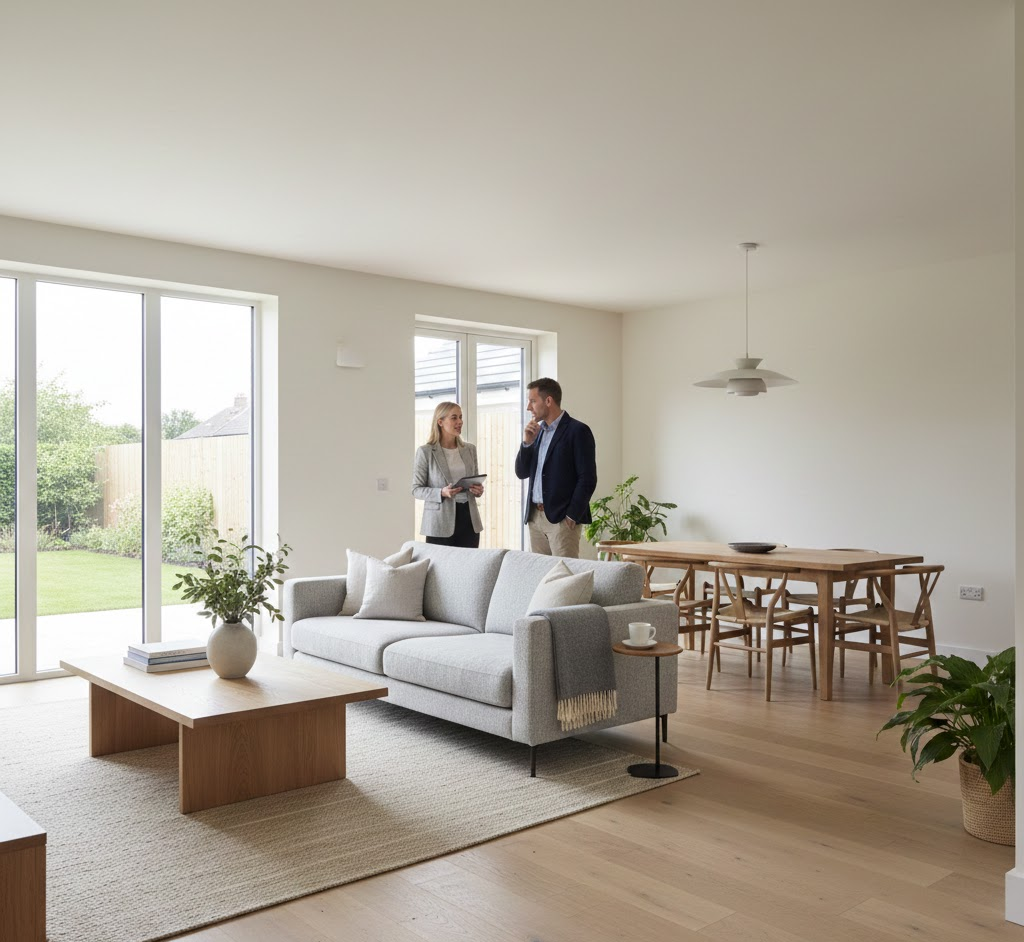
Open-concept areas can be challenging for some buyers because large spaces can feel unclear without clear boundaries.
Use simple signals to guide people.
- Rugs can define spaces.
- Lighting indicates purpose.
- Furniture guides movement.
- Clear sightlines connect areas.
Defined spaces help buyers imagine their everyday activities, like cooking, relaxing, and even entertaining. Organising these areas makes daily life feel more structured and less chaotic.
For more home staging tips and practical room layout advice, this practical guide shows how to organise spaces so buyers can clearly see flow, purpose, and usability.
Step 7: Remove Distractions While Keeping Character
When selling a home, focus on creating a welcoming atmosphere instead of a cluttered one. Too many personal items can distract potential buyers. Eliminating all characters can make the space feel cold and uninviting.
Strive for balance.
- Limit family photos.
- Store away extra decorations.
- Keep artwork simple.
- Add soft textures with decor.
A balanced approach allows buyers to feel a connection while still envisioning their own style in the space.
Step 8: Complete Final Checks Before Listing Online
Complete a final walk-through before taking photographs or showing the property.
- Check the lighting at different times of the day.
- Keep surfaces clean and tidy.
- Ensure the way each room is used matches how it looks.
- Connect images to real life.
Minor differences can create doubt. Solid consistency builds trust. Buyers feel confident when listings represent the experience.
Conclusion
Getting your house ready to sell is about being clear, not making constant changes. Buyers appreciate honesty, consistency, and spaces that are easy to understand. When you plan your preparation, the improvements highlight their value without needing much explanation.
A straightforward presentation builds buyer confidence from the first listing view to the final showing. Your home feels cohesive. Rooms flow together naturally. Buyers trust what they see and feel ready to make a decision.